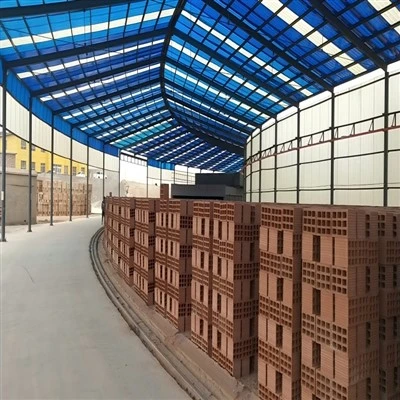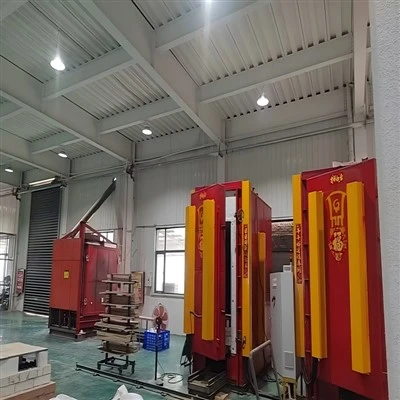

1. Large kilns generally use heavy oil, light diesel oil, or coal gas and natural gas as fuel.
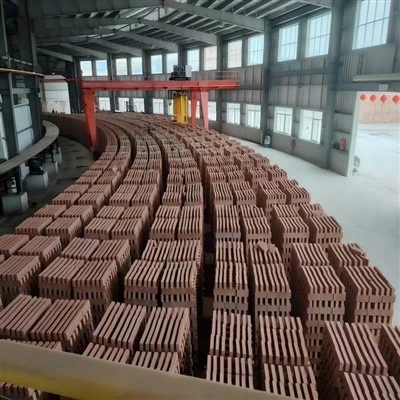
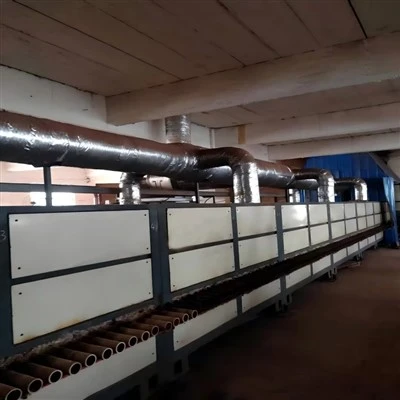
2. A kiln typically consists of four parts: the kiln chamber, combustion equipment, ventilation equipment, and conveying equipment.
3. Electric kilns mostly use heating wires, silicon carbide rods, or molybdenum disilicide as heating elements. Their structure is relatively simple and easy to operate. There are also various atmosphere kilns.
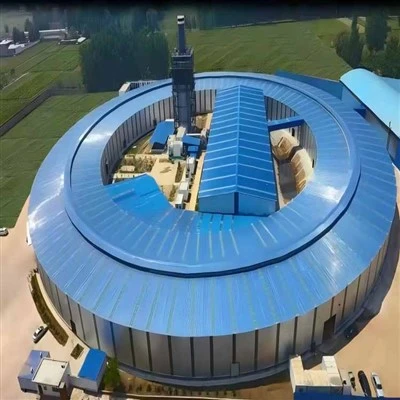
4. In specific industries, kilns have many more subcategories, such as cement rotary kilns, glass tank kilns, blast furnaces and converters in the steel industry, and some equipment in the chemical industry can also be classified as kilns. However, in the general sense, industrial kilns mainly refer to calcining equipment for metals and inorganic materials.
5. Kilns are broadly classified into various high, medium, and low temperature industrial kilns, including box-type, pit-type, shuttle-type, mesh belt-type, rotary, kiln car-type, pusher-plate tunnel resistance furnaces, vacuum furnaces, gas-protected furnaces, ultra-high temperature tube pusher furnaces (carbon tube furnaces), tungsten-molybdenum powder roasting furnaces, and reduction furnaces, with operating temperatures ranging from 200 to 2500℃. It can be used in the sintering of ZnO varistors, surge arrester valve plates, structural ceramics, textile ceramics, PTC & NTC thermistors, electronic ceramic filters, chip capacitors, ceramic capacitors, thick film circuits, chip resistors, magnetic materials, powder metallurgy, electronic powders, rare earth chemicals, focusing potentiometers, ceramic substrates, high alumina ceramics and their metallization, contact materials, hard alloy materials, tungsten and molybdenum materials, etc.