
Product 1: Mobile Rotary Tunnel Kiln
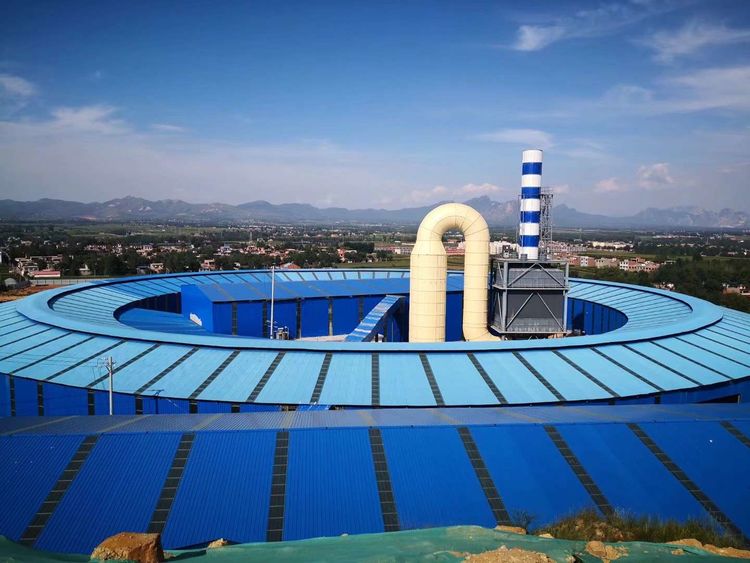
We are the first and only one kiln company to develop and establish new structure mobile rotary tunnel kiln of freeing from fans at the kiln top, and this technology have obtained patent in China with 12 China national practical new-type patents. We are the first and the only one company of obtaining ISO9001, ISO14001 and OHSAS18001 certification in China's wall materials firing kiln company by now.
Introduction
We are the first and only one kiln company to develop and establish new structure mobile rotary tunnel kiln of freeing from fans at the kiln top, and this technology have obtained patent in China with 12 China national practical new-type patents. We are the first and the only one company of obtaining ISO9001, ISO14001 and OHSAS18001 certification in China's wall materials firing kiln company by now.
The structure of mobile rotary tunnel kiln body:
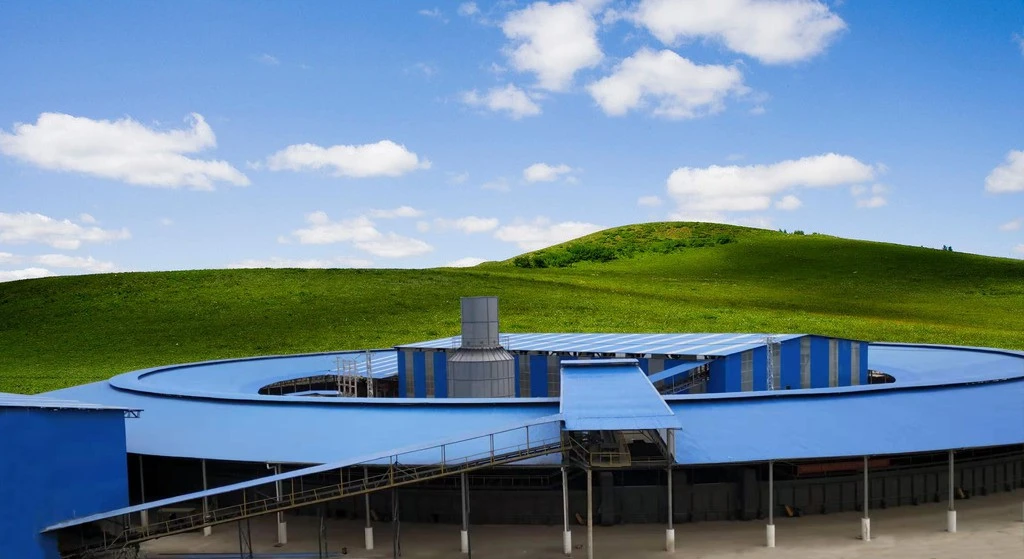
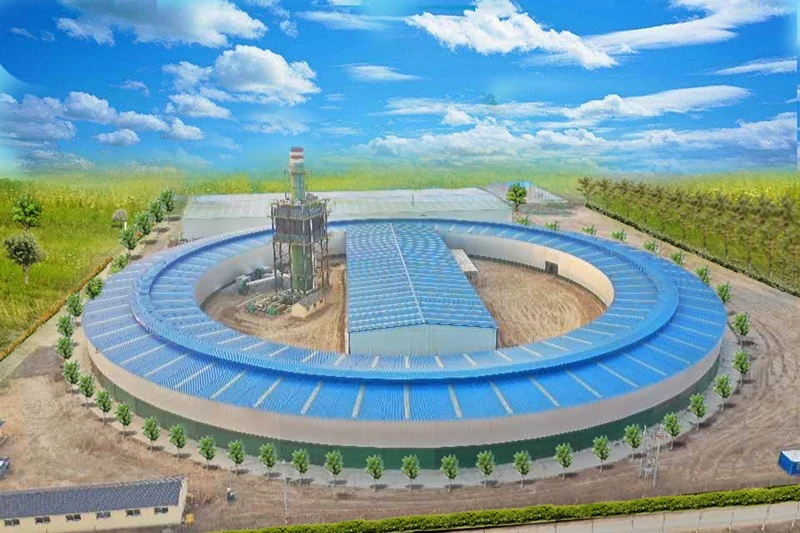
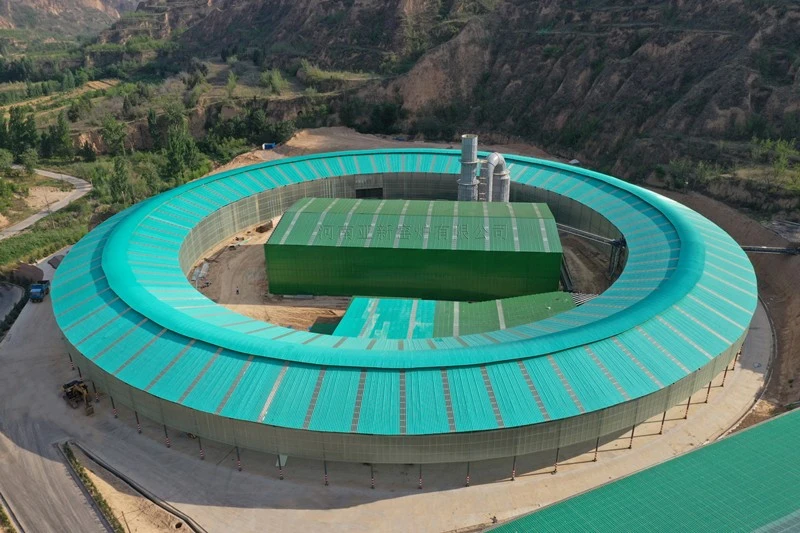
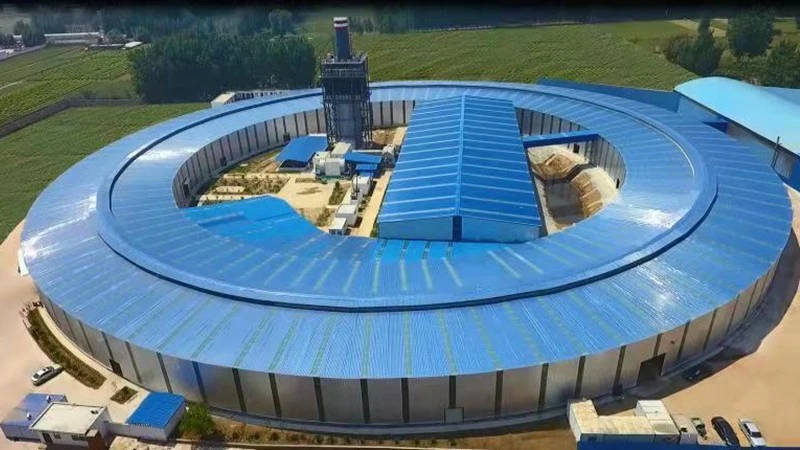
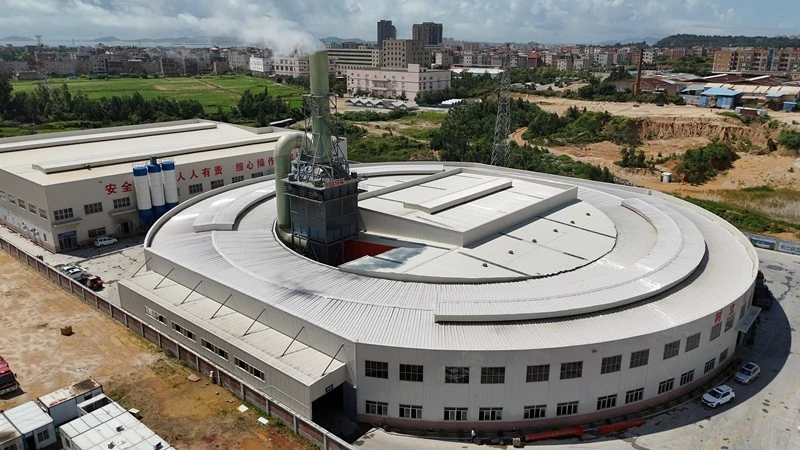
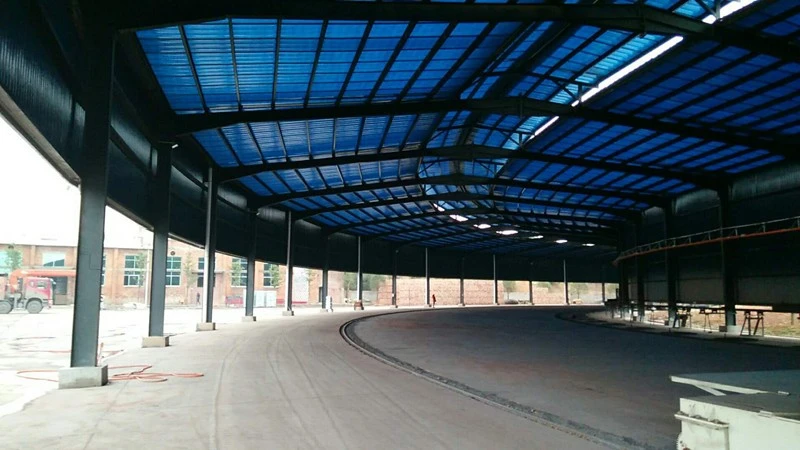
Our new structure mobile rotary tunnel kiln include kiln body, circular rails for the kiln move, circular flue connection to kiln body, desulfurizing fan (connection to one desulfurizer) connection to circular flue.
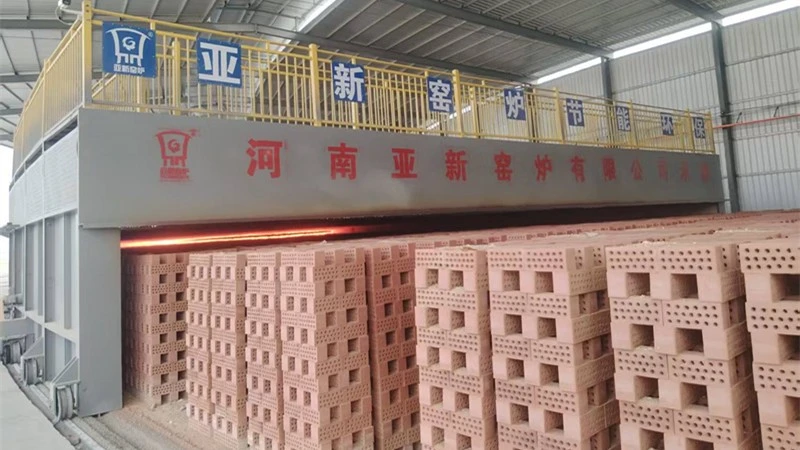
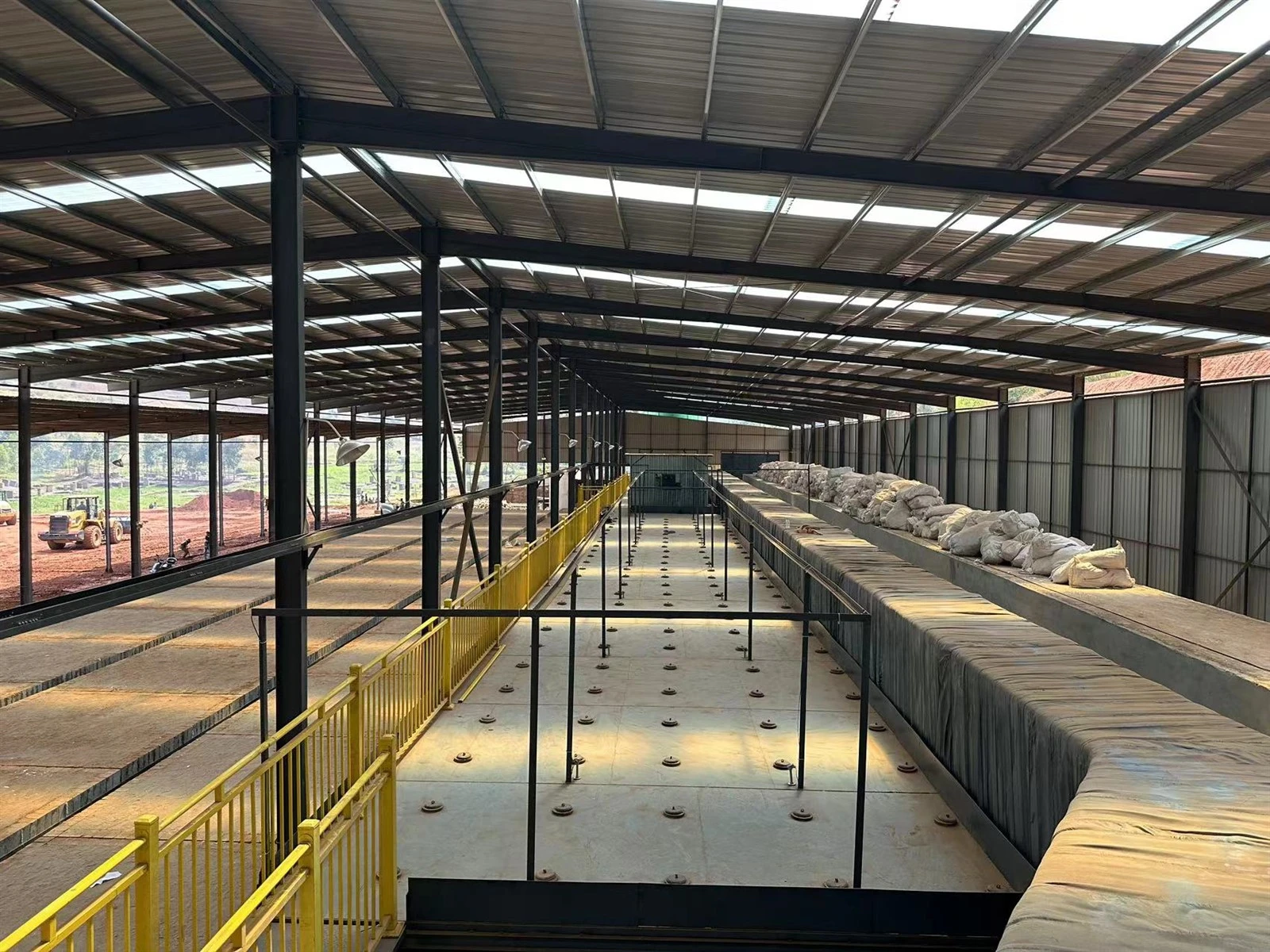
Based on the functions of each section, the mobile rotary tunnel kiln body is divided into 4 sections: drying and moisture eliminating section, preheating section, burning section, insulation and cooling section, and these 4 sections are connected together. The inner side wall and the top of the kiln body install moisture removing pipes and heat feeding pipes respectively.
The patent of our new structure mobile rotary tunnel kiln delete the fans of the kiln body, and take use of the desulfurizing fans to carry out the drying and burning. Freeing from fans of the kiln body, the kiln body don't have any vibration, which prolong the service time of the kiln and the insulation materials. This new structure Mobile Rotary Tunnel Kiln also delete the check gate between drying section and burning section, which can send the heat to drying section from burning section directly and decrease the heat loss, then meet the requirements of environmental-friendly, energy-saving, high production capacity and less fuel and power consumption.
1.The patent of our new structure mobile rotary tunnel kiln delete the fans of the kiln body, and take use of the desulfurizing fans to carry out the drying and burning.
2.Freeing from fans of the kiln body, the kiln body don't have any vibration, which prolong the service time of the kiln and the insulation materials.
3.This new structure Mobile Rotary Tunnel Kiln also delete the check gate between drying section and burning section, which can send the heat to drying section from burning section directly and decrease the heat loss, then meet the requirements of environmental-friendly, energy-saving, high production capacity and less fuel and power consumption.
Technology
Drying and moisture eliminating section
The kiln body moves forward, and the mud bricks go inside of drying and moisture eliminating section of the kiln, and dried by the recyclable flu gas of high temperature till the mud bricks temperature reach 200 ℃ or so.
Preheating section
The bricks enter preheating section after dried to 200 ℃ or so at drying and moisture eliminating section, and reach 600 ℃ or so by the recyclable flu gas of high temperature coming from burning section.
Burning section
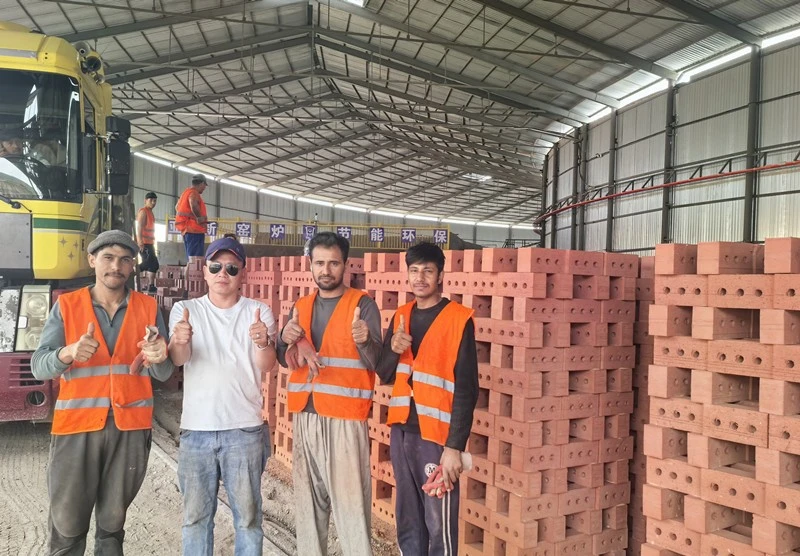
The bricks are dried to 850-1050 ℃ in burning section till the bricks are fully burned.
Cooling section
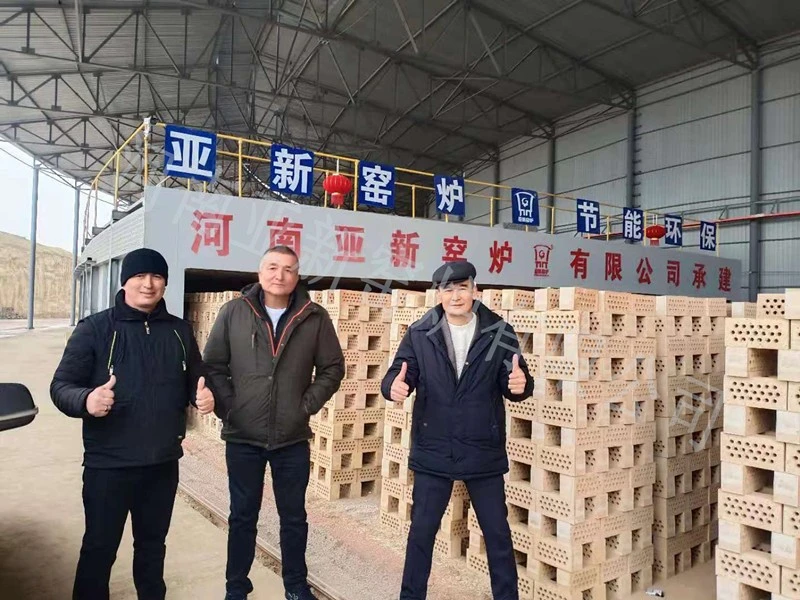
The bricks are cooled by the cold air, and the cold air are heating by the heat from burned bricks to change to be hot flu gas, most of which are recyclable for the drying medium of drying section.
Advantages of The Mobile Tunnel Kiln
Less investment and lower maintenance cost
Freeing from kiln car and no need construction materials (Clay bricks, sand, cement, etc.) for the kiln construction, the investment value and maintenance cost of mobile rotary kiln is lower than that of traditional tunnel kiln.
Energy saving and less coal consumption
The use of natural gas sintering technology has reduced the energy consumption of coal, which is of great significance for burning bricks and producing high-grade bricks in coal prohibited areas, and has also promoted emission reduction and environmental protection standards.
Fully automatic operation of the kiln
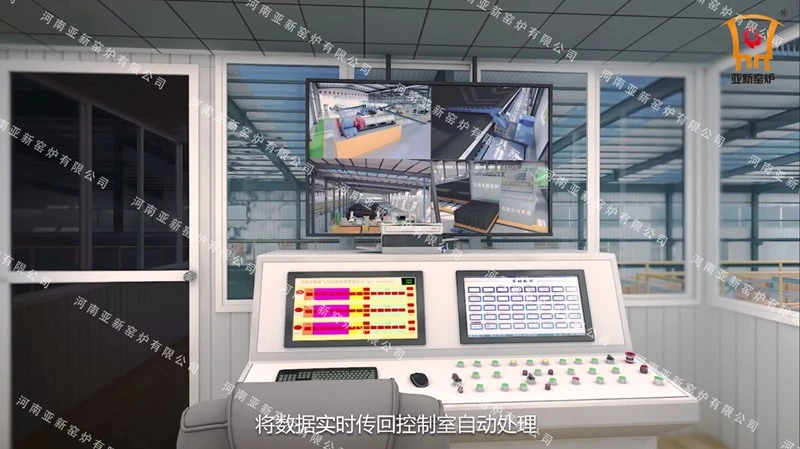
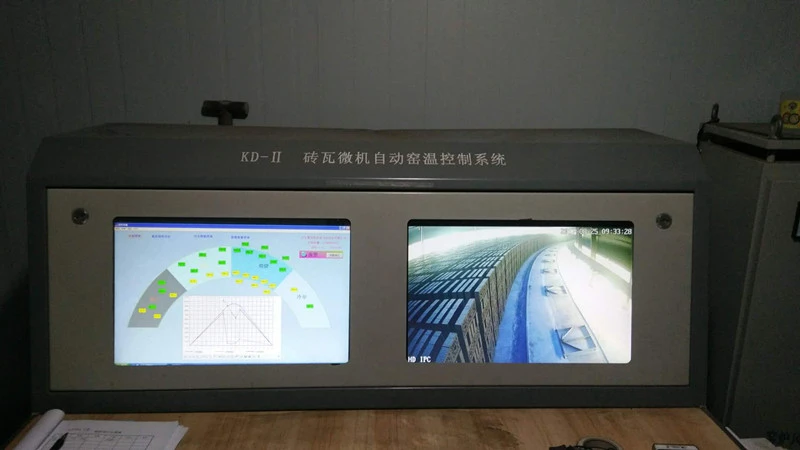
The kiln as a whole realizes one-button start-up intelligent control system, and the intelligent burning system automatically reads and calculates the sensor signals for temperature, humidity and pressure collected by each collection module of the kiln. By adjusting the frequency converter to control the air blowing volume intelligently and get designed burning temperature so that the blowing air, bricks and internal burning of the bricks can be optimally matched and the kiln operates at a higher efficiency to achieve the purpose of reducing internal burning consumption.
Fully automatic operation of the kiln
There is no fan on the top of the kiln body, and refractory insulation materials are used inside the kiln body, ensuring smooth operation of the kiln body. Under normal use, it can ensure that the kiln structure does not undergo major repairs for 10 years and the refractory insulation materials do not undergo major repairs for 5 years.
Environmental friendly and and no leakage of waste flu gas.
Dying by positive pressure at drying section, flu gas recyclable by micro-negative pressure, moisture eliminating by concentration, waste flu gas purifying by mobile type, which gurantee the clean working conditions and no additional corrosion on the steel structure of the workshop.
Simple structure and easy installation.
The kiln body adopt detachable steel structure of H steel and steel plate combination, and is easy for maintenance and installation.
Short kiln construction time.
The mobile rotary kiln can be finished within 4 months. All the kiln parts of the kiln is prefabricated in standardized and large-scale production in factory by uniform specifications, and installed on the plant site.
Advantages
The advantages of mobile rotary tunnel kiln comparing with traditional tunnel kiln:
For traditional tunnel kiln, the biggest sectional width of tunnel kiln is 7.5 meters. For our mobile rotary tunnel kiln, the minimum sectional width is 7.2 meters, and the sectional width can be 7.2, 7.6, 8.6, 9.08, 10.8, 11.2, 12.98, 13.8, 16.38, 18.8 meters, and the length is 150-170 meters.
The mobile rotary kiln can be finished within 4 months. All the kiln parts of the kiln is prefabricated in standardized and large-scale production in factory by uniform specifications, and installed on the plant site. Traditional tunnel kiln can only be constructed with clay bricks and concrete by manual on the brick plant, and more than 6 months are needed for the kiln construction.
Freeing from kiln car and no need construction materials (Clay bricks, sand, cement, etc.) for the kiln construction, the investment value of mobile rotary kiln is lower than that of traditional tunnel kiln.
The traditional tunnel kiln must be baked to evaporate a large amount of water brought in during the masonry process before it is put into operation. The mobile rotary tunnel kiln assembly does not contain moisture and can be put into operation directly after assembly freeing from baking.
For traditional tunnel kiln, the kiln car maintenance cost is about 50000-100000 USD each year owing to the frequently repairing of kiln car. Moreover, many process are needed, say, ferry car, hydraulic step-by-step pusher, hydraulic pusher, drawing machine, etc., and about 7-10 workers are needed. For mobile rotary kiln, only 2 operators is ok, no need kiln car maintenance cost, no need overhauling for the kiln body within 10 years, and no need overhauling for the refractory insulation materials of the kiln within 5 years.
For traditional tunnel kiln, the bricks are stacked on the kiln car and moves with the kiln car. It is easy to shake and collapse when the kiln car moves. For mobile rotary tunnel kiln, the bricks are stacked on the ground and not move, and the possibility of collapse is much smaller than that of the traditional tunnel kiln.
For traditional tunnel kiln, the coal consumption is about 380-450 kcal/kg. For mobile rotary tunnel kiln, it is about 250-280 kcal/kg, and at least 100 kcal/kg can be saved.
Based on the weight of 3.5 KG per pcs brick, 350 Kcal (100 Kcal/kg×3.5 KG) are saved each brick. For the brick plant of 30 million pcs one year, 2100 tons coal (based on the caloric value of 5000 kcal/kg) can be saved each year.
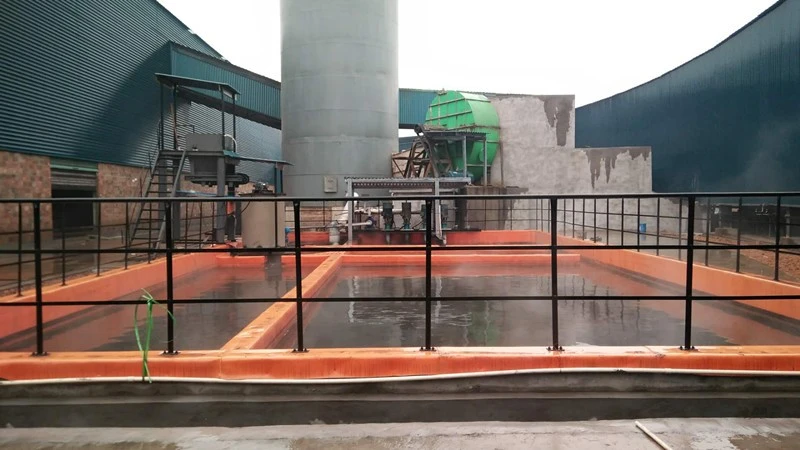
There is no fan on the top of the kiln, so the smoke will not be discharged unorganized; And, circular flue and drying room are seamlessly connected, which is energy-saving and environmentally friendly, and will not pollute the environment.
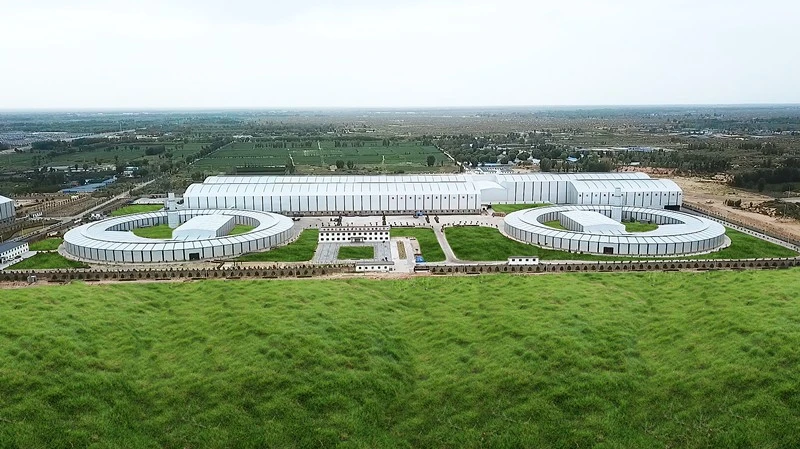
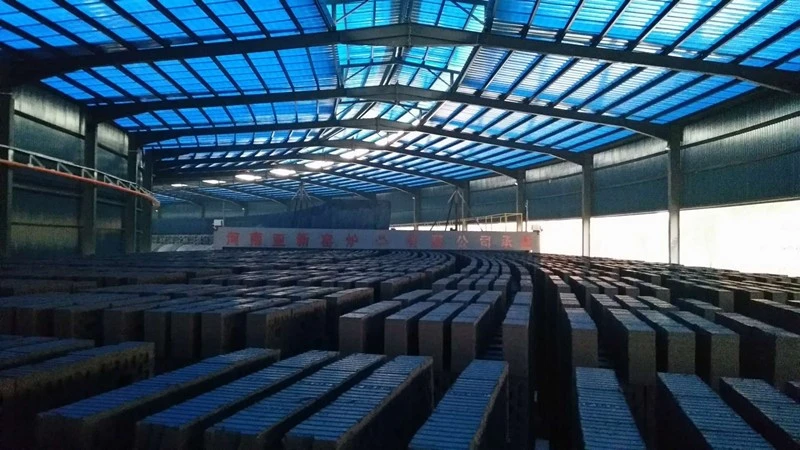
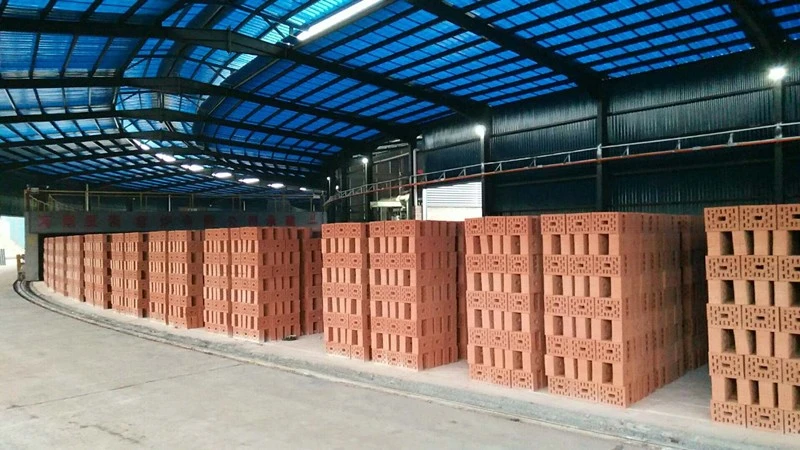
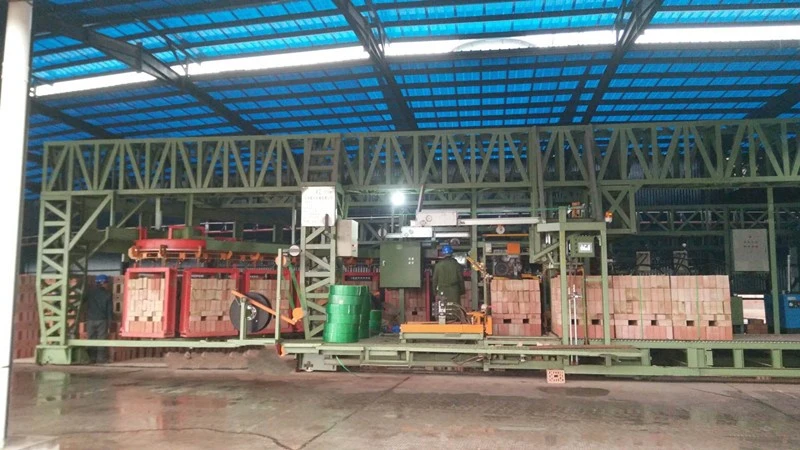
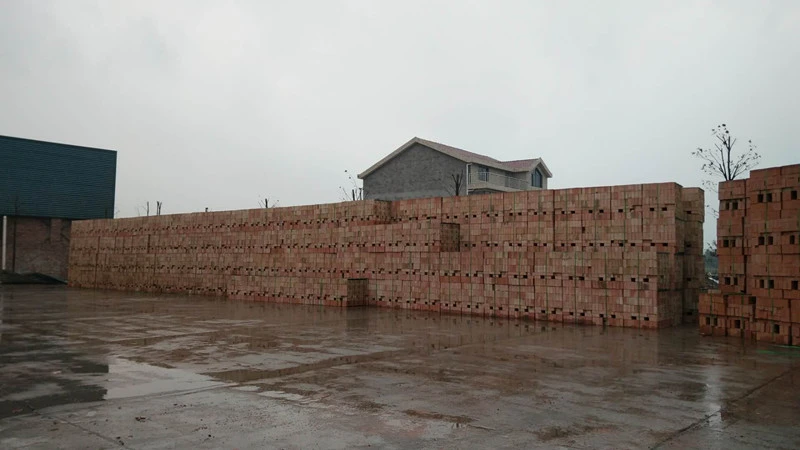
Demonstration Project Case


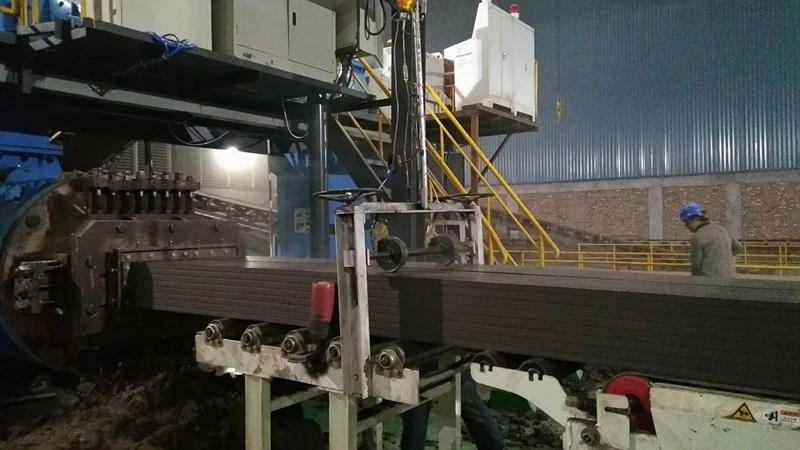
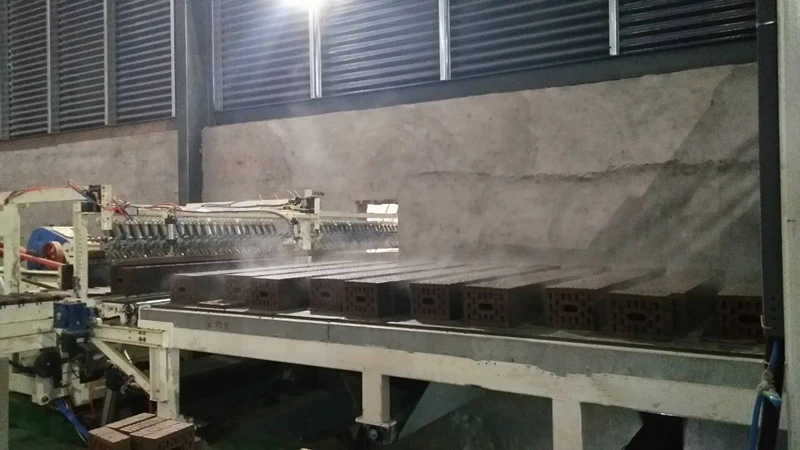
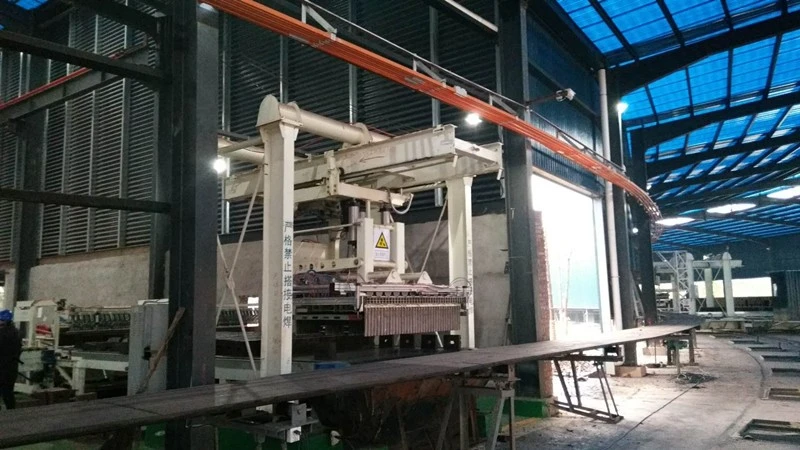
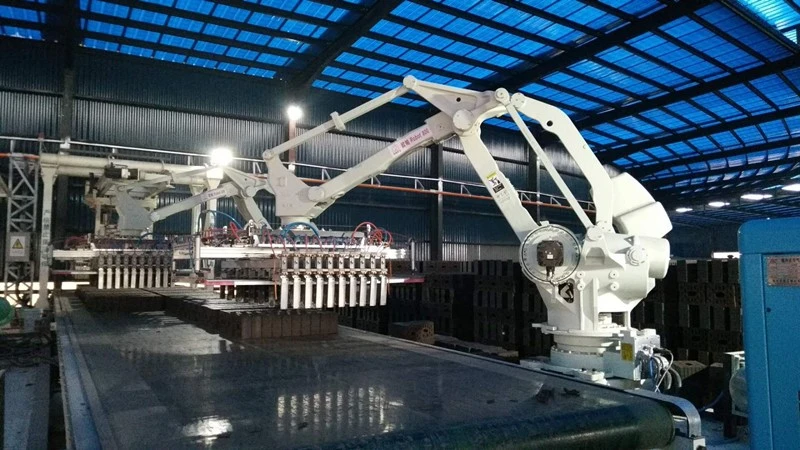
Process Flow


Product 2: Prefabricated Tunnel Kiln
The high mechanization and automation function of tunnel kiln make the production process of brick making enterprise produce a tremendous change, greatly changed the working condition of workers, reduced the labor intensity of the operator, make the brick making enterprise become the enterprise truly, and it is the enterprise with better economic benefit.
Introduction
The structure of prefabricated tunnel kiln body:
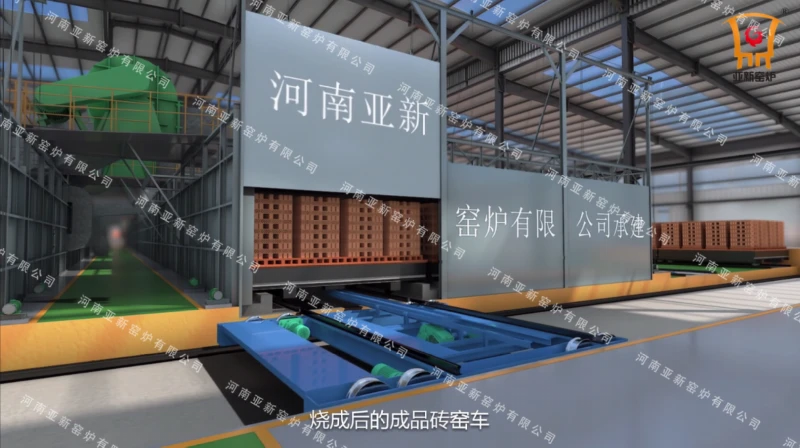
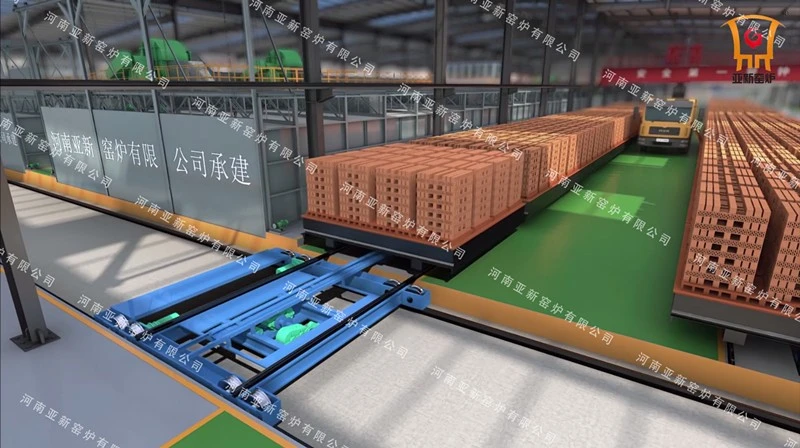
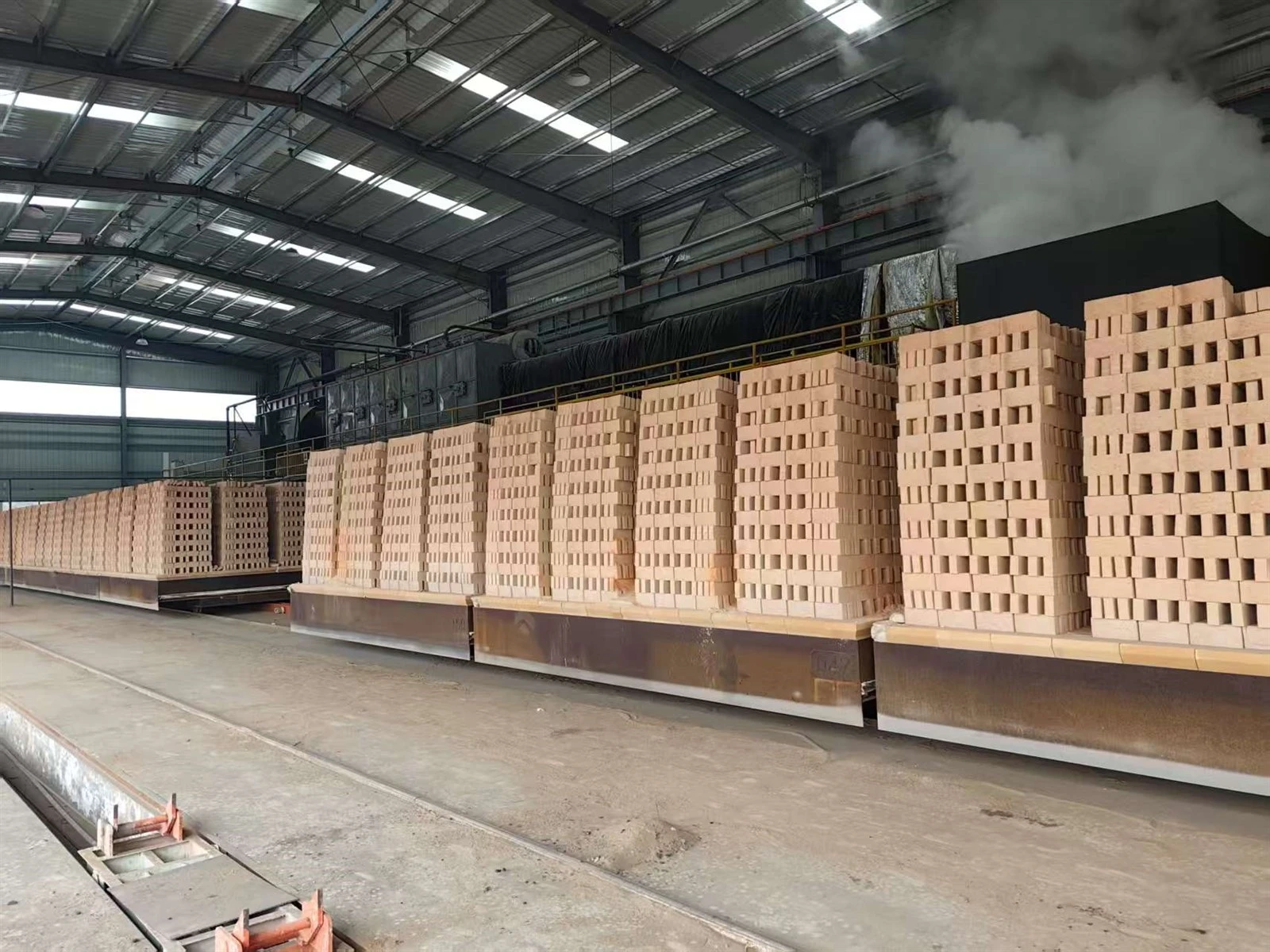
Prefabricated tunnel kiln refers to the kiln body of a large cross-section tunnel kiln, which has several kiln car tracks and kiln cars for synchronous drying and roasting. The kiln body can be designed with multiple assembly types such as double assembly, three assembly, four assembly, and five assembly.
Prefabricated tunnel kilns are suitable for using various solid waste materials such as construction waste, urban sludge, construction waste, environmentally friendly sludge, industrial tailings, and coal gangue as raw materials for brick making. It has a wide range of sintered products, including various types and specifications of new wall materials such as standard bricks, hollow bricks, insulation bricks, etc.
Our company's advanced design and energy-saving concept for prefabricated tunnel kilns are the first in the country. Our mature technical solutions and continuous self-improvement have won recognition from experts and peers in the wall material industry, and we are at the forefront of similar kiln enterprises in the wall material industry.
Characteristics of Prefabricated tunnel kiln
Adopting a large cross-section design, industrialized and modular production.
The double sealing design eliminates the need for multiple side kiln walls, reducing the heat consumption of each side kiln wall by 8%.
The use of a new rapid drying system has solved the production and production difficulties of high moisture content raw materials.
High degree of automation, application of 5G technology and central control room, digital roasting control, reducing the impact of human factors.
The kiln design uses international large-sized steel to ensure the overall structure of the kiln is sturdy and durable, saving maintenance costs.
The use of a flue gas reburning system for secondary utilization of flue gas reduces the processing capacity and oxygen content of the discharged flue gas, which is beneficial for achieving emission data standards.
Technology
Drying section
The drying kiln adopts a double door design, utilizing the heat and waste heat of the roasting kiln for further dehydration and drying. The high oxygen content flue gas is discharged and sent to the cooling and insulation section for oxygen supply and re firing through the "flue gas re firing system". The discharged high-temperature flue gas is sent to the flue gas treatment system for purification treatment. After drying, the bricks are sent to the roasting kiln.
Baking section
The calcining kiln adopts a double gate design to ensure a more stable airflow inside the kiln. During the walking process inside the calcining kiln, the kiln car goes through preheating, calcining, insulation and cooling processes in sequence. The kiln car adopts a "double channel sealing design" to ensure smooth and reliable operation.
Advantages
Comparison of performance between fabricated tunnel kiln and ordinary tunnel kiln:
1.Working system
In addition to the working system of the ordinary tunnel kiln, the prefabricated tunnel kiln also has a multiple fuel combustion coexistence system in the firing area of the kiln, which burns multiple fuels without changing the structure of the tunnel kiln. Ordinary tunnel kilns are difficult to change their combustion methods and have poor combustion stability, while prefabricated tunnel kilns can easily convert into the fuel used for combustion, or the proportion of solid fuel to liquid fuel, or the proportion of solid fuel to gas fuel.
2.Sealing performance
The ordinary tunnel kiln is constructed by kiln workers using refractory bricks, insulation materials, and building materials. The sealing performance of the kiln is related to every brick laid by the workers. But the assembled tunnel kiln is different. It uses standard molds, selects the same materials according to the same technical requirements, and assembles tunnel kiln parts into standard parts in the factory. Each standard component has accurate dimensions and the same quality, making it easy to install the gap between two standard components in a unified form for processing, ensuring the sealing performance of the tunnel kiln wall and roof.
3.Insulation performance
The inner layer of the ordinary tunnel kiln wall is made of refractory bricks, the middle insulation layer is made of lightweight refractory bricks and insulation felt, and the outer layer is made of building bricks. The inner layer of the prefabricated tunnel kiln is made of high-temperature resistant materials. Experiments have shown that under the same surface temperature of both kiln walls, the heat dissipation of the prefabricated tunnel kiln wall is only 1/4.1 (24.3%) of that of the ordinary tunnel kiln wall. Therefore, the insulation performance of prefabricated tunnel kilns is far superior to that of ordinary tunnel kilns.
4.Construction period
The basic construction period of ordinary tunnel kiln and prefabricated tunnel kiln is basically the same, because prefabricated tunnel kiln is lighter in weight, the foundation is slightly smaller, the foundation construction can shorten some days.Above the foundation, the ordinary tunnel kiln needs about 50 construction workers, which can take 70-80 days to complete the construction, while the assembled tunnel kiln only needs about 20 construction workers, and most of them are general workers. The construction can be completed in 30-40 days, and the construction personnel and construction cycle are less than half of that of the ordinary tunnel kiln.The technical personnel required for the construction of the assembled tunnel kiln is only a fraction to a tenth of the technical personnel required for the construction of the ordinary tunnel kiln.
5.Construction cost
In terms of construction personnel costs, ordinary tunnel kilns use many skilled workers, and the construction period is longer, resulting in higher construction costs. For the material quantity of the structural part, prefabricated tunnel kilns are 30-40% more than ordinary tunnel kilns. Therefore, the material construction and transportation costs of prefabricated tunnel kilns are higher than ordinary tunnels. The processing cost of processing workpieces is also higher than that of ordinary tunnel kilns. After making up for the difference, the overall cost of assembling the tunnel kiln is slightly higher, mainly due to the better materials used in the prefabricated tunnel kiln.
6.Flexible performance
Once a ordinary tunnel kiln is built, it cannot be moved or dismantled or rebuilt elsewhere. The prefabricated tunnel kiln is detachable and can be disassembled into standard components according to the opposite operation of installation, and then reinstalled if necessary, allowing for normal use. If the kiln wall of a ordinary tunnel kiln is damaged, production can only be stopped and maintained after the temperature of the kiln has decreased. But when the kiln wall of the prefabricated tunnel kiln is damaged, there is no need to stop production. Simply remove the damaged part and replace it with a new one.
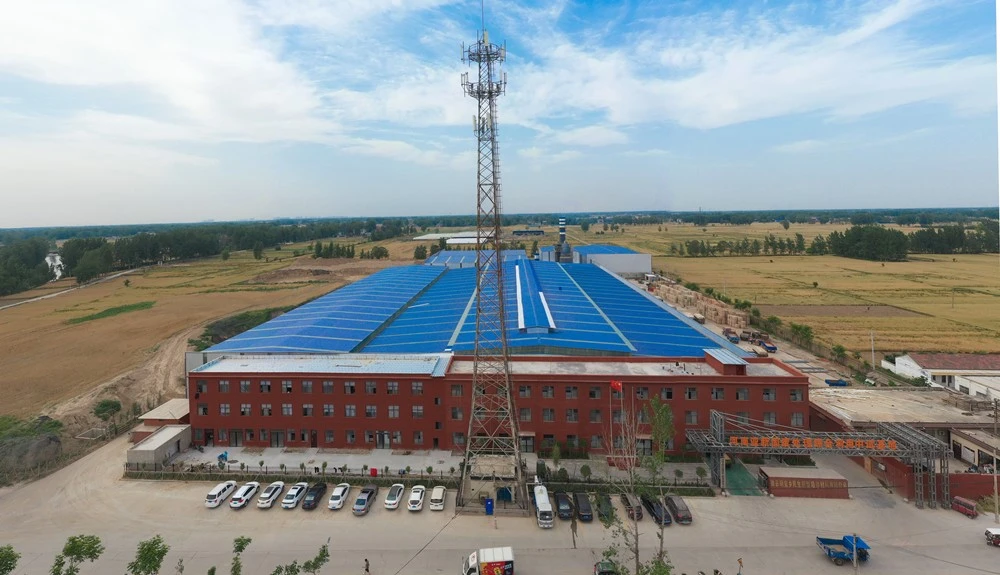
Project Demonstration Case

Process Flow