
Main Structure Material of Rotary Kilns
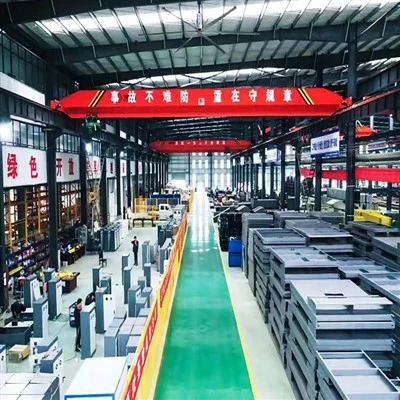
The main structure of rotary kilns is usually made of high-quality steel, such as carbon steel or stainless steel. Steel has high strength, capable of withstanding the enormous pressure and torsional forces generated during operation. Simultaneously, steel also has good plasticity, making it easy to process into various shapes and sizes to meet the design requirements of the rotary kiln.
Furthermore, steel has good corrosion resistance and wear resistance, enabling long-term stable operation in the harsh working environment of the rotary kiln. Stainless steel, in particular, performs exceptionally well in terms of corrosion resistance, making it suitable for applications requiring longer operating times and higher material requirements.
Inner Lining Material of Rotary Kilns
The inner lining material of a rotary kiln needs to withstand high temperatures and the friction and impact of materials; therefore, refractory materials such as refractory bricks or ramming mixes are often selected. These materials possess high refractoriness, high strength, resistance to slag intrusion, and resistance to rapid heating and cooling, ensuring the stable operation of the rotary kiln in high-temperature environments.
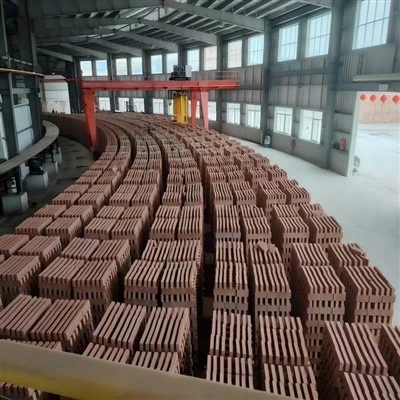
Refractory bricks are the most common lining material for rotary kilns. They are typically made of high-alumina, clay, or silica materials, possessing high refractoriness and strength, capable of withstanding direct erosion from materials, and exhibiting good thermal stability and slag resistance. Ramming mixes, on the other hand, are mainly used in the firing zone of the rotary kiln. They can withstand extremely high temperatures and, through ramming, create a good seal to prevent heat loss.
The Importance of Material Selection The choice of materials for a rotary kiln directly affects its service life and operating costs. High-quality steel ensures the structural stability and strength of the rotary kiln during long-term operation; while the selection of refractory materials directly relates to the internal heat resistance and service life of the kiln. Therefore, when designing and manufacturing a rotary kiln, its working environment and requirements must be fully considered, and appropriate materials must be selected to ensure stable operation and reduce maintenance costs.
Furthermore, with technological advancements, the application of new refractory materials and steels is continuously improving the performance and lifespan of rotary kilns. In the future, with the research and application of new materials, it is believed that the materials used in rotary kilns will be further optimized and improved.