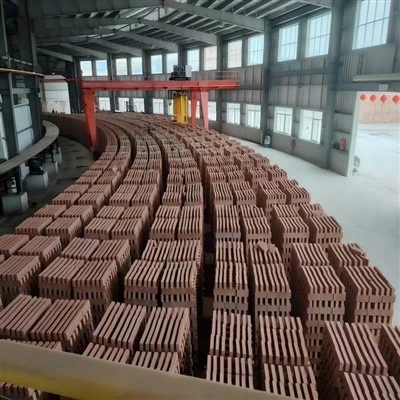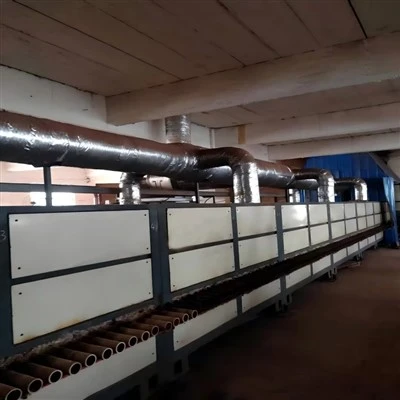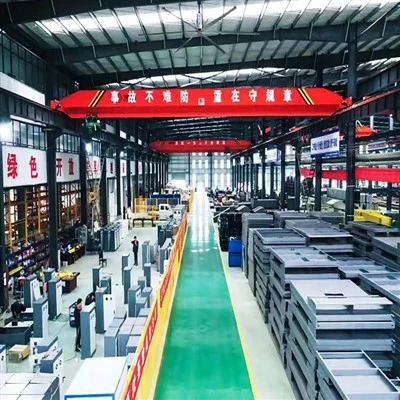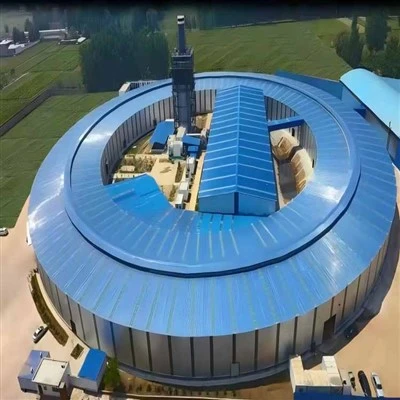

1. Comparison of Various Performance Aspects of Tunnel Kilns: The various performance aspects of a tunnel kiln are basically determined on the day of its construction. Good kiln performance means good adaptability, ease of adjustment, stable operation, and a consistent firing regime. However, when the product or raw materials change, the firing regime must be adjusted accordingly. Conversely, poor kiln performance makes adjustments difficult, and product quality is affected.
2. Comparison of Cross-sectional Dimensions: The height (net height) of a secondary tunnel kiln is higher than that of a primary tunnel kiln. In terms of length-to-diameter ratio, the ratio is as small as 0.35, and as large as 0.64, even exceeding 1. The height inside a secondary tunnel kiln is lower, generally between 1.6 and 1.8 meters, and sometimes even exceeding 2.0 meters, mainly due to lower wet strength. A high green curtain height affects the quality of the bottom green pieces, and more seriously, it deteriorates the kiln's thermal workability, leading to severe gas stratification within the kiln, especially a large temperature difference between the top and bottom of the preheating zone, which can reach 220°C at times. Therefore, the cross-sectional dimensions of the tunnel kiln and the gas stratification within the kiln are crucial factors.
3. Comparison of Top Layer Structure Tunnel kilns have four types of roof structures: flat roof, suspended flat roof, arched roof, and suspended arched roof. For tunnel kilns connecting flat and flat roofs, small and medium-sized cross-section tunnel kilns generally use arched roofs and canopy structures, while large-section tunnel kilns use suspended roof structures. The weight of the arched roof in an arched tunnel kiln generates not only vertical forces but also significant horizontal forces. Since the forces generated by the roof weight are all vertical, they have no impact on the kiln sidewall structure, but do have some influence on the sidewall structure.
4. Comparison of Tunnel Kiln Body Structures. Tunnel kiln body structures include brick-concrete structures, brick-concrete reinforced steel column structures, reinforced concrete structures, steel structures, and profiled steel plate structures. Medium-sized cross-section tunnel kilns use steel-framed concrete structures, large-section tunnel kilns use steel-framed structures or profiled steel plate structures. In small-section tunnel kilns, brick-concrete structures or brick-steel column structures are generally the most economical construction options.
5. Comparison of Firing Performance. Output, quality, and energy consumption reflect the firing performance of a tunnel kiln. For kilns with the same cross-sectional dimensions, a large heat transfer coefficient can be achieved by facilitating heat exchange between the gas and the material being burned. Quality and output depend on the rationality of the system structure and whether the kiln's cross-sectional structure is suitable for the movement of hot gas. Small-section secondary heating tunnel kilns have high internal temperatures and poor uniformity of gas and heat distribution within the kiln. Furthermore, uniform preheating, firing, and cooling of the material within the kiln, combined with the uniform distribution in a primary heating tunnel kiln, results in good uniformity of the product's outer and inner surface quality.