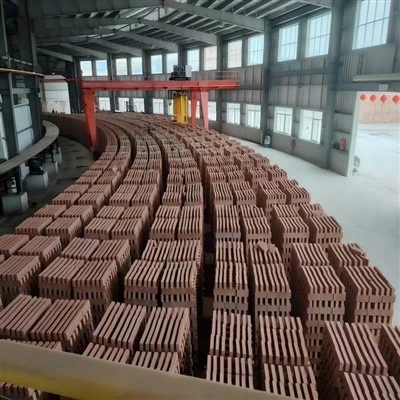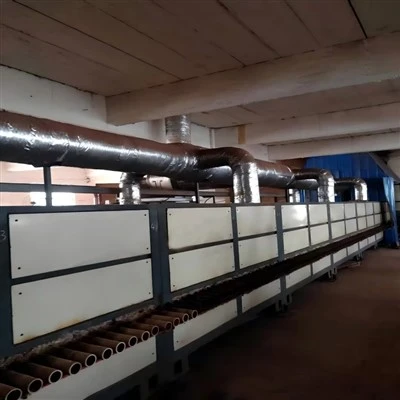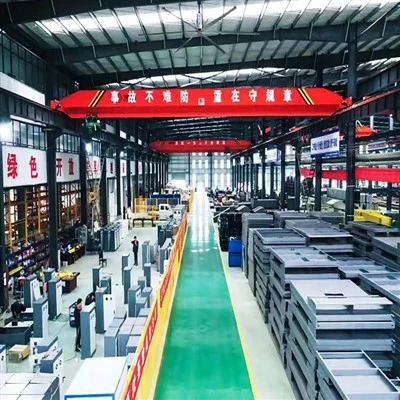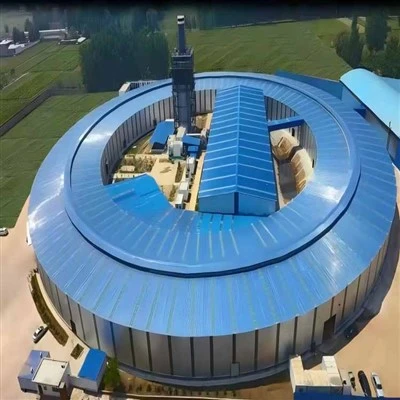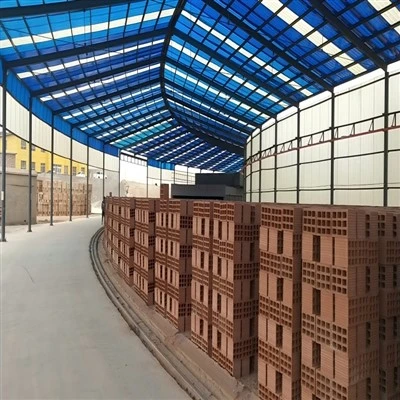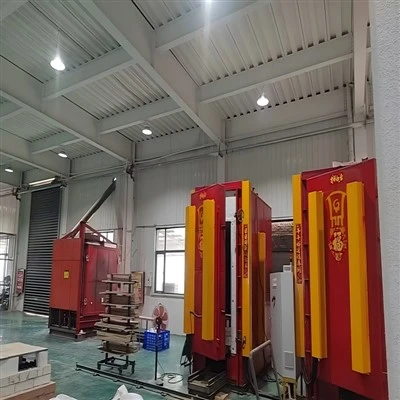

Industrial kilns belong to the industrial heating equipment industry and are widely used in metallurgy, ceramics, and chemical industries.
As important industrial heating equipment, industrial kilns are widely used in various industries. So, what industry do industrial kilns belong to? This article will provide a detailed analysis of the definition, types, and application areas of industrial kilns.
Definition of Industrial Kilns
An industrial kiln is a device used to heat, melt, or sinter materials, causing physical or chemical changes by providing a specific temperature environment. It is an indispensable piece of equipment in industrial production processes and is widely used in metallurgy, ceramics, and chemical industries.
Types of Industrial Kilns
Based on heating methods, uses, and structural characteristics, industrial kilns can be divided into various types, such as resistance furnaces, induction furnaces, electric arc furnaces, and gas furnaces. These different types of industrial kilns play important roles in their respective application areas.
Application Areas of Industrial Kilns
Metallurgical Industry: In the metallurgical industry, industrial kilns are mainly used in processes such as metal smelting, refining, and continuous casting. Industrial kilns are used in the ceramics industry. High-temperature heating melts metal ores or waste into liquid metal, which is then processed through a series of steps to obtain the desired metal product.
In the ceramics industry, industrial kilns are another major application area. The production of ceramic products relies heavily on high-temperature sintering, and industrial kilns provide this crucial condition. Whether for daily use or building ceramics, all require high-temperature sintering in industrial kilns.
In the chemical industry, industrial kilns are primarily used for heating chemical reactions. Many chemical reactions require specific temperature conditions, and industrial kilns provide a stable and controllable high-temperature environment to ensure the smooth progress of these reactions.