
Working Principle of Industrial Kilns
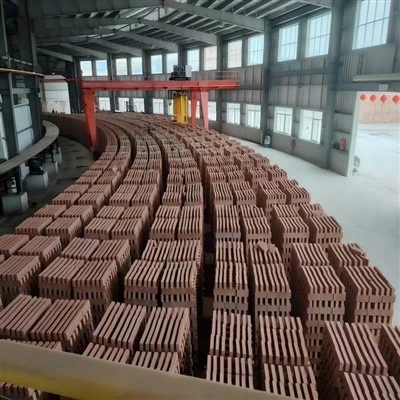
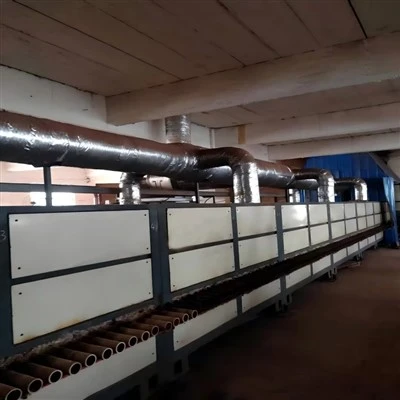
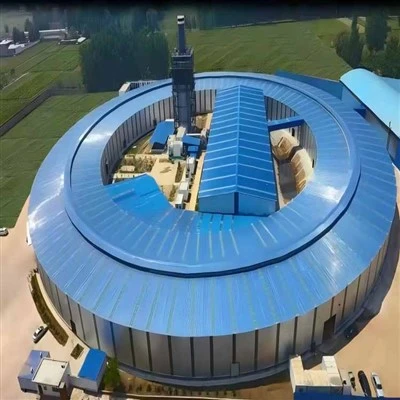
An industrial kiln is an important piece of equipment used in production and processing. Its working principle is basically to utilize the heat generated by fuel to heat, dehydrate, and combust materials through chemical reactions. Industrial kilns can be classified into different types according to the type of heat source, such as oil-fired kilns, gas-fired kilns, and electrically heated kilns.
Classification of Industrial Kilns
Based on different classification standards such as function, characteristics, and application scope, industrial kilns can be divided into various types, including high-temperature kilns, drying kilns, reduction kilns, and oxidation kilns. Different types of kilns are mainly used in the production and processing of different materials. For example, in the metallurgical industry, high-temperature kilns are used to produce slag and copper leaching solution.
Common Problems and Solutions for Industrial Kilns
In industrial production, kiln malfunctions or problems often have a serious impact on production progress and product quality. Common problems in industrial kilns include difficulty in starting up, incomplete combustion, and gas leaks. Common solutions to these problems include cleaning the burner and control system, changing the fuel, and adjusting the kiln's operating parameters.
The Vital Role of Industrial Kilns in Production
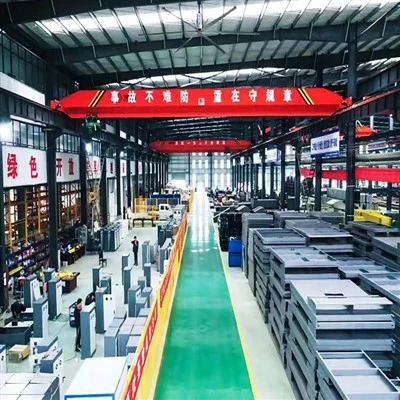
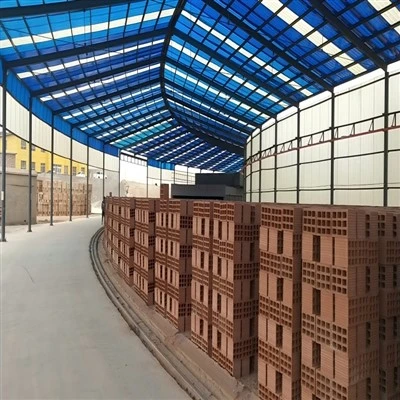
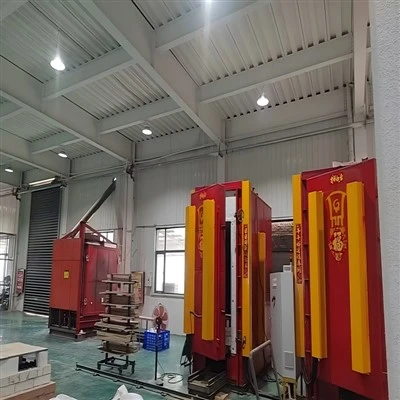
Industrial kilns play an irreplaceable and vital role in modern industry, widely used in various sectors including steel, non-metallic minerals, chemicals, building materials, and ceramics. Whether micro-kilns in production laboratories or large-scale high-temperature kilns in manufacturing, they all undertake crucial production tasks.