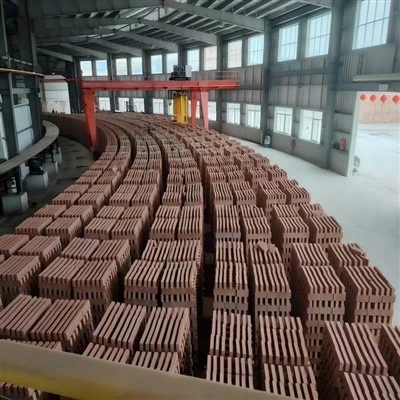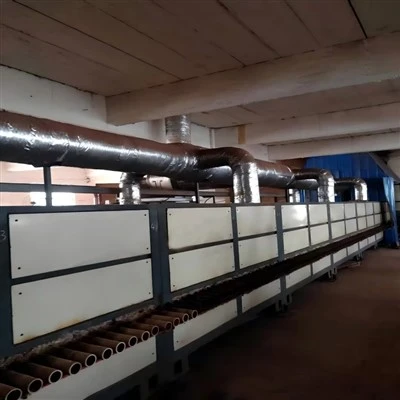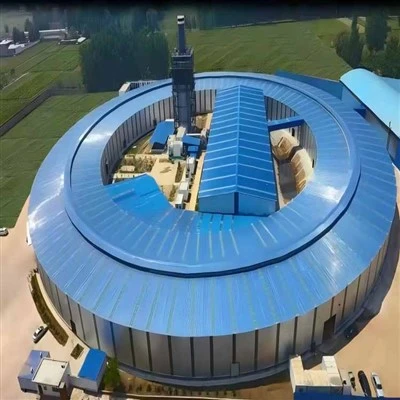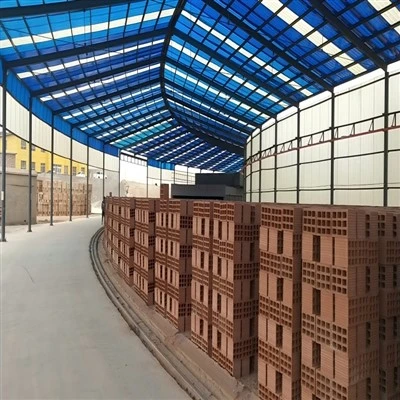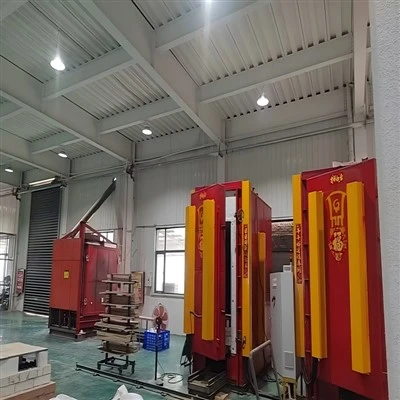

A tunnel kiln is generally a long, straight tunnel with fixed walls and an arched ceiling on both sides and top. Kiln cars run on tracks at the bottom. The combustion equipment is located on both sides of the middle section of the tunnel kiln, forming a fixed high-temperature zone-the firing zone. The high-temperature flue gas generated by combustion flows along the tunnel towards the kiln head under the action of the chimney or induced draft fan at the front of the tunnel kiln, gradually preheating the products entering the kiln. This section constitutes the preheating zone of the tunnel kiln. At the tail of the tunnel kiln, cold air is blown in to cool the products in the latter part of the kiln. The blown-in cold air, after being heated by the products, is then extracted and sent to the dryer as a heat source for drying the green blanks. This section constitutes the cooling zone of the tunnel kiln.
The external design of the tunnel kiln resembles a tunnel, while the internal structure is evenly distributed. Each piece of equipment plays its role in its fixed area without interfering with the others, gradually completing the entire operation process of the tunnel kiln.