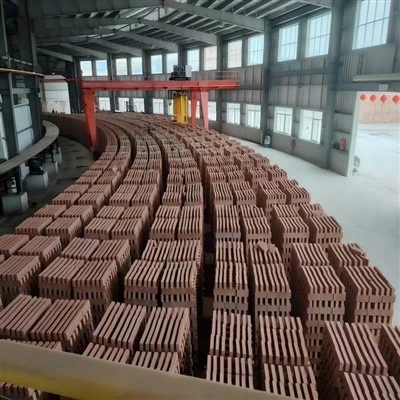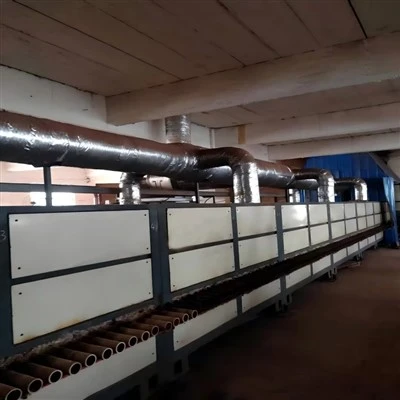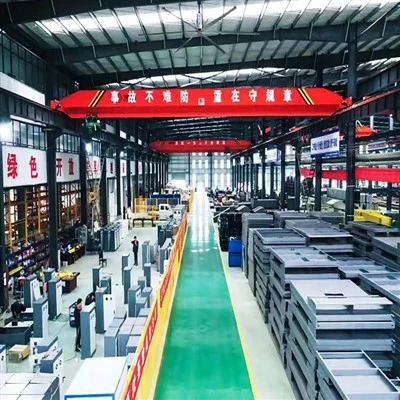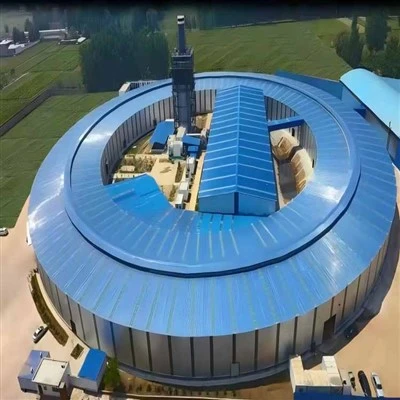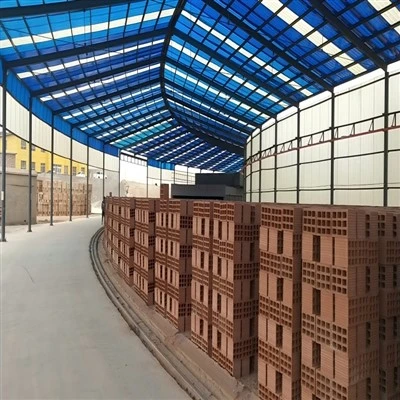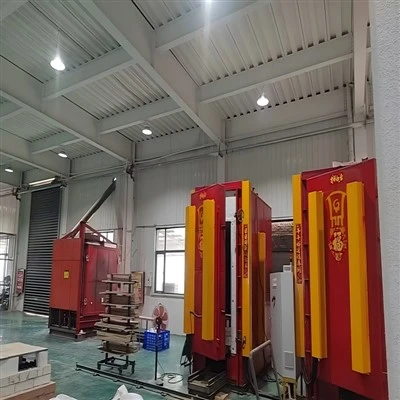

Depending on their shape and function, tunnel kilns can be categorized into several structural forms, the most common being:
Single-channel linear kiln
This is currently the most commonly used basic structural form in sintered brick and tile factories. It is simple, easy to operate, and suitable for small to medium-sized production lines.
Multi-channel parallel linear kiln
By arranging multiple channels in parallel, it increases the throughput per unit time, making it suitable for large-scale continuous production with higher thermal energy utilization.
Single-channel multi-unit linear kiln
This innovative design combines space optimization and energy-saving concepts, increasing production capacity without increasing floor space.
"One-stop" linear kiln (combined firing and drying kilns)
Integrating the drying and firing processes into one unit effectively recovers and utilizes waste heat, significantly improving overall energy efficiency.
Other kiln types
Annular moving tunnel kilns, shuttle kilns, roller kilns, and pusher kilns typically do not use kiln cars and are suitable for specific product or process requirements, offering higher automation and temperature control precision.
Except for annular mobile tunnel kilns, roller kilns, and pusher kilns, all other straight tunnel kilns require kiln cars to carry the products inside and move along the length of the kiln to complete the entire firing process.