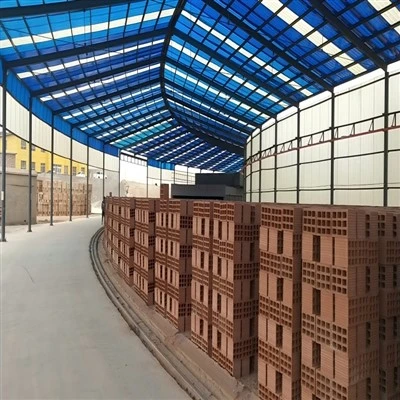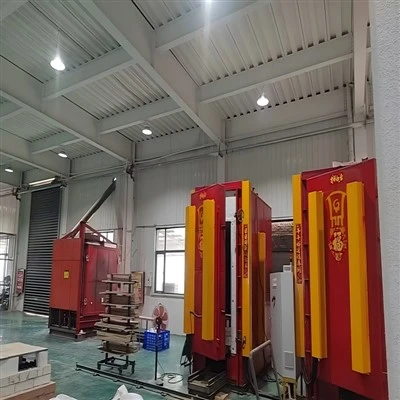

Gas-fired kilns, including tunnel kilns, shuttle kilns, and roller kilns, are widely used in industries such as ceramics, glass, and metallurgy. This article will provide a detailed introduction to the types of gas-fired kilns and discuss their application areas.
Gas-fired kilns are indispensable equipment in modern industrial production. They use gas as a heat source, heating materials through the high temperatures generated by combustion. Different types of gas-fired kilns differ in structure, function, and application areas. Below, we will provide a detailed introduction to several common types of gas-fired kilns.
Tunnel Kiln
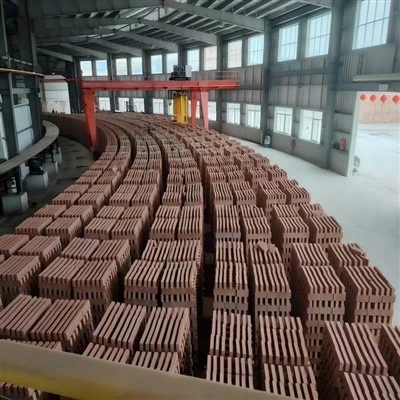
A tunnel kiln is a common type of gas-fired kiln. It is typically long and narrow, with multiple combustion chambers inside, allowing for the simultaneous heating of multiple materials. Tunnel kilns offer advantages such as uniform heating and high production efficiency, and are widely used in industries such as ceramics, glass, and refractory materials. In the ceramics industry, tunnel kilns are mainly used for firing ceramic tiles and sanitary ware; in the glass industry, they are used for the production of flat glass and glassware.
Shuttle Kiln
A shuttle kiln is an intermittent gas-fired kiln characterized by its ability to move back and forth along a track. During heating, materials are placed on kiln cars, and as the cars move, the materials sequentially pass through the preheating zone, heating zone, and cooling zone, completing the entire heating process. Shuttle kilns offer advantages such as high flexibility and wide adaptability, making them particularly suitable for small-batch, multi-variety production needs. In the metallurgical industry, shuttle kilns are commonly used for the heat treatment of metallic materials; in the ceramics industry, they are also used to fire products with special requirements.
Roller Kiln
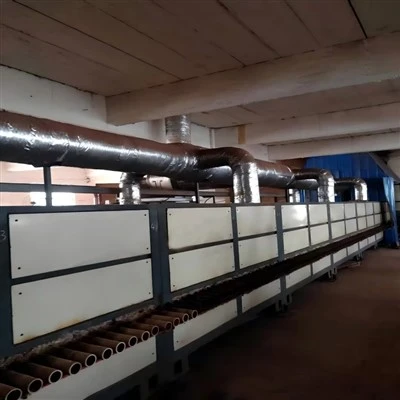
A roller kiln is a continuous gas-fired kiln. Its working principle involves a set of rolling rollers conveying materials from one end to the other, while simultaneously heating them during this process. Roller kilns offer advantages such as high production efficiency and a high degree of automation, and are widely used in the building materials and chemical industries. In the building materials industry, roller kilns are mainly used for the production of cement clinker and gypsum; in the chemical industry, they are used for chemical reaction processes requiring high-temperature treatment.
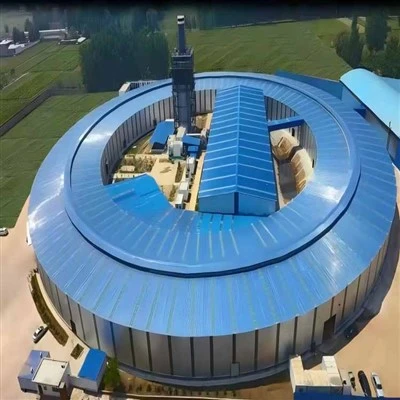
Besides the three common types of gas-fired kilns mentioned above, there are other types of gas-fired kilns, such as pusher kilns and rotary kilns. These gas-fired kilns each have their own characteristics in terms of structure, function, and application fields, and can be selected and used according to specific needs.