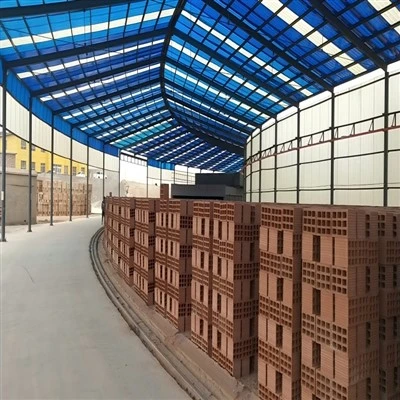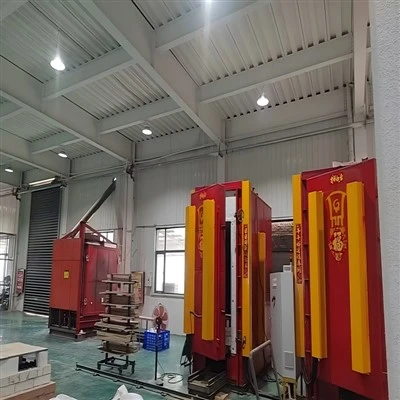

Gas-fired kilns use natural gas or liquefied petroleum gas (LPG) as fuel, offering significant advantages over traditional coal-fired kilns. Firstly, combustion is clean and complete, with minimal emissions of smoke, ash, and harmful dust, meeting environmental emission standards and resulting in extremely low pollution.
Secondly, they heat up quickly, with uniform temperature distribution and high temperature control precision, allowing for accurate control of the firing curve, resulting in minimal product color difference and a high pass rate. Furthermore, operation is simple, with automated temperature, pressure, and airflow control, eliminating the need for manual coal addition and ash removal, saving labor costs and improving the working environment.
Additionally, they offer high heat utilization and low heat loss, making long-term energy costs more controllable; the kiln body is less susceptible to coal ash corrosion, extending the service life of refractory materials and reducing maintenance frequency. Gas-fired kilns are gradually replacing coal-fired kilns as the industry mainstream.